The most common causes of roof damage in Salina
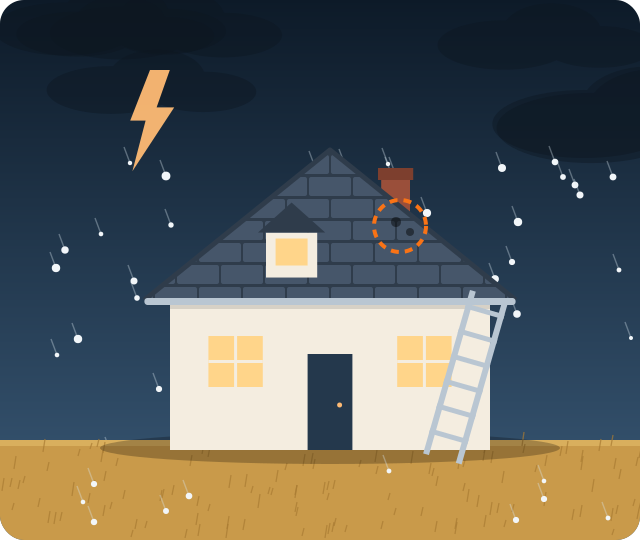
Hail. Bruising, granule loss and cracked shingles, plus dented vents, gutters and soft metal. It is the single most common reason for insurance-driven roof work in the area.
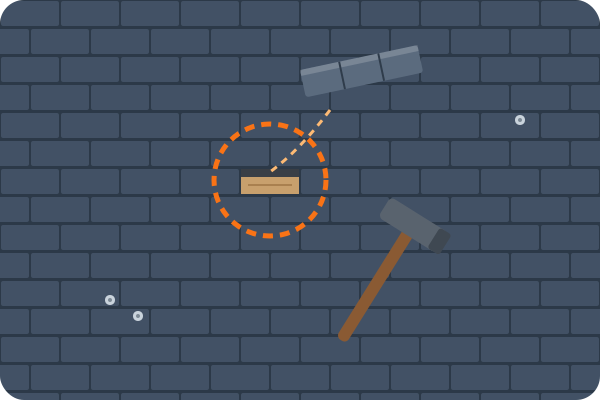
Wind. Thunderstorm gusts of 58 mph or more meet the National Weather Service definition of severe. Wind breaks the factory adhesive strip between shingle courses, then lifts and creases tabs. Once a few are gone, the next storm takes more. See wind and storm damage repair.
Age and layering. Asphalt shingle roofs commonly last somewhere around 20 to 30 years, less after repeated hail. On older Salina homes it’s common to find two layers of shingles, which hide deck problems and add weight.
Flashing and penetrations. Chimneys, plumbing vents, skylights and wall intersections are where most roof leaks begin. Sealant dries out, pipe boots crack and step flashing loosens.
Heat and cold cycles. Hot Kansas summers bake shingles and dry out sealants, while winter freeze–thaw cycles widen small gaps. Poor attic ventilation makes both worse.
How roofers find the problem
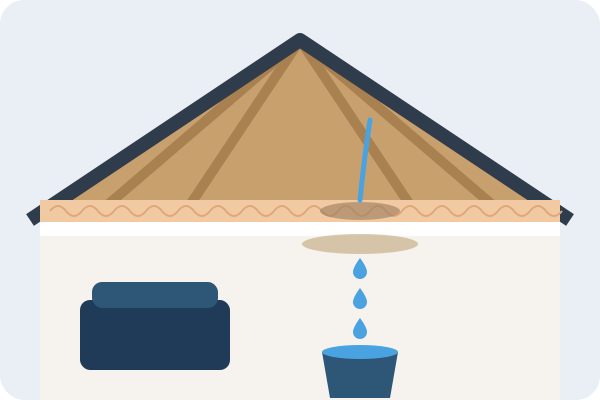
A thorough inspection goes beyond a glance from the ladder. Roofers walk each slope looking for hail hits and creased tabs, often marking a test area with chalk so damage can be counted and photographed. They check flashing at every chimney, wall and vent, look at gutters and downspouts for granules, and inspect the attic for daylight, staining, wet insulation or mold. For a documented report you can share with an insurer or buyer, see roof inspection.
What happens after the inspection
Isolated damage, such as a few missing shingles or one failed pipe boot, is a repair. When damage is spread across most slopes, or the shingles are already brittle, the roofer will usually recommend replacement, and that is where insurance coverage, matching and the age of the roof come into play. If you own a shop or outbuilding, it’s also the moment to compare shingles with metal roofing.