Full tear-off · New roof system
Roof Replacement in Salina, KS
When shingles are worn out or storm damage covers most of the roof, repairs stop making sense. Here’s how a roof replacement works in Salina, from tear-off to final cleanup.
What Is a Roof Replacement?
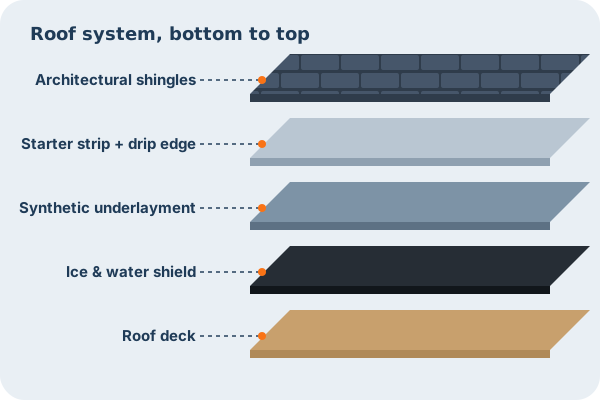
A roof replacement removes the existing roof covering down to the deck, repairs or replaces damaged decking, and installs a complete new roof system: drip edge, ice and water barrier where needed, underlayment, starter strip, shingles or metal panels, flashing, vents and ridge cap. It is different from a reroof “overlay,” where new shingles are nailed over an old layer.
For most Salina homeowners the decision comes after a storm or an inspection that shows widespread wear. The roof is a system, and replacing it means every part of that system is new and designed to work together, which is something no patch can deliver. If your problem is a few missing shingles or one leaking vent, start with one of the roofing companies in Salina for a repair instead; replacement is for roofs where damage or age is spread across most slopes.
How a Roof Replacement Works
A typical replacement on a single-family home follows the same sequence, though crews and materials vary by contractor.
Tear-off
The crew protects landscaping, windows and the yard, then strips shingles, old underlayment and worn flashing down to the deck. On older Salina homes it’s common to find two layers, and sometimes old wood shakes underneath, which adds labor and disposal.
Deck inspection and repair
With the deck exposed, soft, rotted or delaminated boards are replaced. This is the one part of the price no one can pin down before tear-off, which is why good estimates list a per-sheet price for decking.
Underlayment and edge protection
Drip edge goes on the eaves and rakes. Self-adhering ice and water membrane is typically installed along eaves and in valleys, then synthetic underlayment covers the rest of the deck.
Shingles, flashing and ventilation
Starter strip, field shingles, new pipe boots, step and counter flashing, and ridge or box vents are installed, followed by ridge cap. Balanced intake and exhaust ventilation helps shingles last in Kansas summer heat.
Cleanup and walkthrough
A magnetic sweep picks up nails, debris is hauled off, and the contractor should walk you through photos of the deck and finished work.
8 Signs Your Roof Needs Replacing, Not Repair
- Curling or cupping shingles across several slopes, not just one spot.
- Bald areas where granules are gone and the black mat shows.
- Widespread hail bruising on most slopes after a severe storm.
- Cracked or brittle shingles that snap when lifted for a repair.
- Two existing layers, which leaves no room for another repair overlay.
- Sagging lines in the roof plane that suggest deck or rafter problems.
- Repeated leaks in different places over the past year or two.
- Age near the end of the shingle’s expected life, often 20–30 years for asphalt.
One sign alone rarely decides it. Several together, especially after a hailstorm, usually do. If you’re unsure, a roof inspection with photos will show where the roof stands.
Why Salina Roofs Wear Out
Roofs on the plains take a harder beating than the shingle wrapper suggests. Repeated hail breaks the granule surface that protects the asphalt from UV light. Summer heat on dark shingles accelerates drying and cracking, especially where attic ventilation is poor. Strong storm winds break adhesive seals, and once tabs have been lifted a few times they never lie flat again.
Age matters too. With the median Salina home built in 1965, many roofs here are on their third or fourth covering. Previous overlays trap heat, hide rotten decking and make the next replacement more involved. Where a home has had several storm repairs with mismatched shingles, a full replacement is often the cleanest way to restore both function and appearance. If storm damage is what pushed your roof over the edge, read about hail damage roof repair to understand how insurers evaluate it.
Safe Checks You Can Do First
You can learn a lot without climbing a ladder:
- From the yard, use binoculars or a phone camera zoom to look for curling, missing or discolored shingles.
- Check gutters and splash blocks for heavy granule buildup.
- In the attic on a sunny day, look for daylight through boards and for water stains on rafters or decking.
- Feel for soft or spongy spots in attic decking only from the attic side, never by walking the roof.
- Find your records: installation year, number of layers and any prior storm claims.
Old and hail-damaged shingles are slippery and can break underfoot. Leave the roof walk to a contractor with fall protection.
What Happens During the Roofer’s Visit
- Exterior walk-around to check gutters, vents, soft metals and visible shingle condition.
- Roof walk on every slope, with photos of wear, hail hits and flashing.
- Attic check for ventilation, deck condition, stains and insulation.
- Measurements of squares, pitch, valleys and penetrations.
- Options: shingle lines, impact-rated products or metal roofing, with pros and cons.
- Written estimate listing materials, tear-off layers, decking price per sheet, ventilation and warranty terms.
Ask for the contractor’s Kansas roofing registration number at this stage, along with proof of insurance.
What Affects the Cost of a Roof Replacement
| Factor | How it changes the price |
|---|---|
| Roof size (squares) | Material and labor scale directly with area. |
| Pitch and stories | Steep or tall roofs need more safety setup and slow the crew. |
| Layers to tear off | Each extra layer adds labor and dumpster weight. |
| Decking replacement | Usually billed per sheet once the deck is exposed. |
| Material choice | Architectural, impact-rated or metal products differ in cost. |
| Complexity | Valleys, dormers, skylights and chimneys add flashing work. |
| Ventilation upgrades | New ridge vents or intake vents add parts and labor. |
If the replacement is part of a storm claim, the insurer’s estimate and your policy terms will shape what’s covered. Ask the roofer to explain any line items that differ from the adjuster’s scope.
Choosing Materials for a Kansas Roof
Most Salina homes are reroofed with architectural asphalt shingles, which are thicker and longer-lasting than older three-tab shingles and come in a wide range of colors. In hail country, many homeowners also look at impact-resistant shingles rated Class 4 under UL 2218. They cost more, but some insurers offer premium credits for them; ask your agent before deciding, since the discount varies.
Metal is the other common choice, especially for homeowners who plan to stay put or who also need a shop or barn roofed. Color matters more than people expect in a hot climate: lighter shingles absorb less heat, which can help attic temperatures in summer. Whatever you choose, ask the contractor which components come from the same manufacturer, because many enhanced warranties require a matched system of underlayment, starter, shingles and ridge cap installed to the maker’s specifications.
When It Becomes an Emergency
A worn roof becomes urgent when water is coming in, when large sections of shingles have blown off and the underlayment is exposed, or when you see sagging. In those cases the first step is temporary protection, usually a tarp, followed by the replacement once materials and weather allow. Our guide to wind and storm damage repair covers emergency tarping in detail.
FAQ
Roof Replacement FAQs
How long does a roof replacement take in Salina?
Many single-family homes are torn off and re-roofed in one to three days of good weather. Larger or steeper roofs, extensive deck repair and busy post-storm seasons can stretch the schedule.
Can new shingles go over the old ones?
Sometimes, if there’s only one existing layer and local rules allow it, but overlays hide deck problems, add weight and can shorten shingle life. Most contractors recommend a full tear-off, and many manufacturer warranties favor it.
Do I need a permit to replace my roof?
Permit requirements depend on the city or county. In many places reroofing requires one, and the contractor typically pulls it. Ask your contractor and check with the City of Salina or your local building office.
Will insurance pay for a new roof?
If a covered storm caused damage the adjuster agrees requires replacement, your policy may pay, minus the deductible and any depreciation depending on whether it’s actual cash value or replacement cost coverage. Wear and age alone are typically not covered.
What is an impact-rated shingle?
Impact-resistant shingles are tested under UL 2218, with Class 4 the highest rating. They resist hail better than standard shingles, and some insurers offer premium discounts for them. Ask your insurer before choosing.
Can I stay home during the replacement?
Yes, most people do. Expect noise, and move valuables away from attic spaces, since debris can shake loose during tear-off. Keep kids and pets away from the work zone.
Talk to a local roofer
Ready to talk about a new roof?
Call to be connected with an independent roofer who serves Salina for an inspection and written estimate.
(785) 555-0142