Wind damage · Emergency tarping
Wind & Storm Damage Roof Repair in Salina
Kansas thunderstorms bring straight-line winds that can strip shingles in minutes. Here’s what to do right away, how temporary protection works and how wind damage gets repaired.
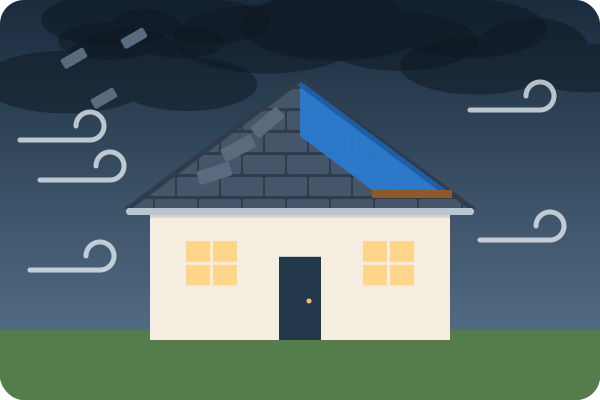
What Is Wind and Storm Damage Repair?
Storm damage roof repair fixes damage caused by severe weather, mostly high wind and the debris it carries: shingles lifted, creased or torn off, ridge caps peeled away, flashing bent loose, and holes from falling limbs. It often starts with emergency tarping to keep rain out, followed by permanent repairs once materials are available.
Severe thunderstorms in central Kansas can produce damaging straight-line winds as well as hail. The National Weather Service considers gusts of 58 mph or more severe, but shingles with weak or aged seals can lift at lower speeds. This guide focuses on wind and debris; for hail, see our hail damage guide, and for the bigger picture visit roof repair services in Salina, KS.
How Wind Damages a Roof, and How It’s Fixed
Shingles are designed to lie flat and stick to the course below with a factory adhesive strip. Wind gets under the leading edge, breaks that seal and lifts the tab. Repeated lifting creases the shingle at the nail line, and once creased it won’t seal again. Next come missing tabs, then exposed underlayment, then leaks.
Temporary protection
When shingles are missing or a limb has punched through, the roofer secures a heavy tarp over the area, fastened to battens so it survives the next wind. A tarp is a stopgap measured in days or weeks, not seasons.
Permanent repair
Creased and missing shingles are replaced, adjoining shingles are hand-sealed, damaged ridge caps and flashing are reset or replaced, and any broken decking under a limb strike is replaced before shingling.
When repair turns into replacement
If seals have failed across whole slopes or the shingles are too brittle to work with, the roofer may recommend a roof replacement rather than chasing tabs storm after storm.
8 Signs of Wind Damage
- Shingles or ridge caps in the yard or gutters.
- Exposed underlayment or bare deck showing on a slope.
- Creased shingle tabs, visible as a horizontal line near the top of the tab.
- Lifted or flapping tabs along roof edges and ridges.
- Bent or missing flashing around chimneys and walls.
- Limbs or debris on the roof, or punctures from them.
- Loose gutters pulled away from the fascia.
- New leaks or attic stains after a windy storm.
What Makes Some Roofs More Vulnerable
Edges and ridges take the strongest uplift, so damage usually starts there. Shingles that were installed in cold weather may never have fully sealed, and older shingles lose adhesive strength with age and heat. Nailing matters as well: shingles nailed too high or with too few nails pull loose more easily.
Trees are the other big factor. Neighborhoods with large, mature trees, like Kenwood Park, see more limb strikes and more debris clogging valleys and gutters. Open lots on the edge of town take more direct wind. In the countryside around Salina, outbuildings and shops with exposed-fastener metal roofs can lose panels when fasteners loosen; see metal roofing for how those are repaired.
What You Can Safely Do Right Away
- Stay away from downed power lines and call the utility if any lines are involved.
- Photograph the roof from the ground and any shingles or debris in the yard.
- Place buckets and towels under drips, and move valuables and electronics.
- If a ceiling bulges with water, keep people out from under it.
- Don’t climb onto a wet or damaged roof to place a tarp yourself.
- Keep receipts for emergency supplies; some policies reimburse reasonable mitigation.
Wind and wet shingles make roofs dangerous, and a poorly secured tarp blows off and can tear more shingles. Have a roofer install it.
What a Storm Repair Visit Looks Like
- Safety check for hanging limbs, loose metal and electrical hazards.
- Emergency tarp on any open areas if rain is forecast.
- Damage survey of every slope, edge and ridge, with photos.
- Attic check for water entry and broken decking.
- Written repair scope listing shingles, flashing, decking and gutters.
- Permanent repair scheduled once materials and weather allow.
What Affects the Cost of Storm Repair
| Factor | Why it matters |
|---|---|
| Emergency tarping | After-hours or same-day service during storm surges costs more. |
| Number of damaged areas | Edges, ridges and multiple slopes add labor. |
| Shingle matching | Older colors may not be available, affecting appearance. |
| Decking or framing damage | Limb strikes can require board or rafter repair. |
| Gutters and flashing | Pulled gutters and bent flashing add parts and time. |
Emergency Tarping: What to Expect
An emergency tarp is a temporary roof. Done well, it keeps water out through several storms; done poorly, it blows off in the first gust and takes more shingles with it. A professional tarp is usually heavy-duty polyethylene that extends over the ridge so water can’t run under the top edge, and it’s secured with wood battens screwed through the tarp into the deck rather than nails through shingles alone.
Expect the roofer to photograph the damage before covering it, since those photos matter for your claim. Ask how long the tarp is expected to last and when the permanent repair can be scheduled. Insurers generally expect homeowners to take reasonable steps to prevent further damage, so keep the invoice for tarping with your claim paperwork.
Storm Season in Central Kansas
Severe thunderstorms can happen in most months in central Kansas, but spring and early summer bring the most frequent hail and damaging wind, with additional storms through late summer and early fall. The September 2025 and April 2026 storms that hit Salina are reminders that the season is long. A quick roof check from the ground each spring, cleaning gutters, trimming overhanging branches and fixing small problems before storm season gives shingles the best chance of surviving the next squall line.
Common Mistakes to Avoid
- Climbing onto a wet, damaged roof to place a tarp yourself.
- Using nails through a thin tarp that tears in the next wind.
- Ignoring a few missing shingles until the next storm takes more.
- Skipping photos before cleanup, which weakens an insurance claim.
- Hiring a crew that can’t show a Kansas roofing registration number.
Questions to Ask After Storm Damage
A few quick questions while the roofer is on site keep the repair moving and your claim documented.
- Can you tarp today, and how long will it hold?
- Will you photograph the damage before covering it?
- When can the permanent repair be scheduled?
When It’s an Emergency
It’s urgent when you can see underlayment or bare wood, water is coming inside, a limb is on the roof, or more rain is forecast. Call for tarping right away. If water is already inside, see roof leak repair for interior steps while you wait.
FAQ
Wind & Storm Damage FAQs
How fast can a roofer tarp my roof?
It depends on how many calls contractors are handling after the storm. When you’re connected, explain that the roof is open so they can prioritize.
Is wind damage covered by homeowners insurance?
Sudden wind damage is commonly covered, subject to your deductible. Some policies in storm-prone areas have separate wind or hail deductibles. Check your declarations page.
Can a few blown-off shingles wait?
Not for long. Exposed underlayment degrades in sunlight, and missing shingles let wind catch the next row. Repair before the next storm if you can.
Why do shingles keep blowing off the same area?
Usually because seals have failed, the shingles were nailed improperly, or they’re aged and creased. Repeated failures in one area are a sign to have the roofer check nailing and consider replacing that section.
Can creased shingles be resealed?
Lightly lifted shingles can sometimes be hand-sealed, but creased shingles are damaged and should be replaced.
What about my gutters?
Wind can pull gutters from the fascia and bend hangers. Roofers often repair or reset them as part of the storm scope.
Talk to a local roofer
Wind damage? Keep the next storm out.
Call to be connected with an independent roofer for tarping and repairs in Salina.
(785) 555-0142