Homes · Shops · Barns
Metal Roofing in Salina, KS
Metal roofs are a familiar sight on Kansas shops and farm buildings, and more homeowners consider them after a hail claim. Here’s how the main types compare and how metal roofs are installed and repaired.
What Is Metal Roofing?
Metal roofing uses steel or aluminum panels instead of shingles. The two main residential types are standing seam, with raised seams and hidden clips, and exposed-fastener panels, screwed through the face with gasketed screws. Both can last much longer than asphalt shingles when installed and maintained properly.
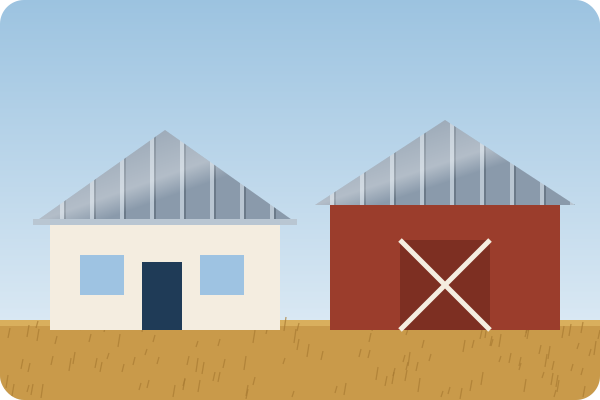
Around Salina, exposed-fastener panels are common on shops, barns and outbuildings, while standing seam is more common on homes. Metal can be installed new, used to replace a worn shingle roof, or repaired after storm damage. For shingle repairs and general storm help, see our page on Salina roofing repairs.
Standing Seam vs. Exposed Fastener
| Feature | Standing seam | Exposed fastener |
|---|---|---|
| Fasteners | Hidden clips under raised seams | Screws through the panel face |
| Typical use | Homes, higher-end projects | Shops, barns, outbuildings, some homes |
| Maintenance | Low; panels float with temperature changes | Screws and washers need periodic checking |
| Leak risk | Lower, few penetrations | Higher over time as washers age |
| Cost | Higher | Lower |
How installation works
On a reroof, the old shingles are typically removed, the deck is checked, and an underlayment rated for metal goes down. Trim pieces go on the eaves and rakes, then panels are installed and fastened, followed by ridge cap, flashing at walls and chimneys, and pipe boots made for metal. Some exposed-fastener installs go over purlins or battens, especially on agricultural buildings.
Hail and metal
Many metal panels carry a Class 4 impact rating under UL 2218. Large hail can still dent metal, and denting may be cosmetic rather than functional. Check how your policy treats cosmetic damage before choosing.
8 Signs a Metal Roof Needs Attention
- Backed-out or loose screws on exposed-fastener panels.
- Cracked or dried washers around fasteners.
- Rust at cut edges, scratches or fasteners.
- Leaks at laps where panels overlap.
- Loose or bent trim at eaves, rakes and ridges after wind.
- Failed pipe boots or flashing at penetrations.
- Deep hail dents that crease seams or open laps.
- Condensation dripping in uninsulated shops or barns.
Why Metal Roofs Fail
Metal itself lasts a long time; the weak points are fasteners, seals and details. On exposed-fastener roofs, panels expand and contract with Kansas temperature swings, which slowly works screws loose and wears the rubber washers. Over-tightened or angled screws fail sooner. Flashing and trim take the brunt of wind, and sealants dry out in the sun.
Condensation is another common issue on shops and barns without insulation or a vapor barrier: warm, humid air meets cold metal and drips, which owners often mistake for a roof leak. Rural buildings outside Salina and around towns like Lindsborg see this often in winter.
Safe Checks You Can Do
- From the ground or a ladder at the eave, look for screws that sit higher than their neighbors.
- Inside shops and barns, look for drips in a regular pattern along fastener lines.
- Note rust spots and where they are: cut edges, laps or fasteners.
- After wind, check that trim and ridge caps are still tight.
- Keep gutters and valleys clear so water doesn’t back up at laps.
Metal roofs are extremely slippery, especially wet or frosty. Don’t walk them without proper fall protection.
What to Expect From the Roofer
- Inspection of panels, fasteners, laps, trim and penetrations, plus the interior for drips or condensation.
- Repair options such as re-screwing with oversized fasteners, replacing washers, sealing laps or replacing damaged panels.
- Replacement options if the roof is badly rusted or damaged: new exposed-fastener panels or an upgrade to standing seam.
- Written estimate with panel gauge, finish, underlayment and trim details.
If you’re weighing metal against shingles for a home, ask for both quotes so you can compare cost against lifespan and insurance treatment. Our roof replacement guide covers the shingle side.
What Affects the Cost of Metal Roofing
| Factor | Why it matters |
|---|---|
| Panel type | Standing seam generally costs more than exposed fastener. |
| Gauge and finish | Thicker steel and premium coatings cost more. |
| Building size and shape | Simple gables are faster than hips, valleys and dormers. |
| Tear-off | Removing shingles or old panels adds labor. |
| Insulation or vapor barrier | Adding them in shops prevents condensation but adds cost. |
Metal Roofs on Shops, Barns and Ag Buildings
Across Saline County, metal is the default roof for machine sheds, hay barns, workshops and detached garages. These buildings often use exposed-fastener panels over wood or steel purlins rather than a solid deck, which keeps cost down but puts more stress on fasteners. Wide, open walls also let wind pressurize the building, so trim and edge fastening matter as much as the panels.
When ag buildings leak, the usual fixes are replacing worn screws with slightly larger ones, adding sealant tape at laps, replacing rusted panels, and resecuring ridge and eave trim. For heated shops, adding insulation or a vapor barrier under the panels often solves “leaks” that are really condensation. Ask contractors whether they work on agricultural buildings; it’s a different job from a house roof.
A Simple Metal Roof Maintenance Schedule
| When | What to check |
|---|---|
| Every spring | Look for backed-out screws, loose trim and clogged gutters. |
| After hail or high wind | Check for lifted panels, bent trim and new dents at seams or laps. |
| Every few years | Have fasteners and washers inspected on exposed-fastener roofs. |
| As needed | Touch up scratches and cut edges to slow rust. |
Common Mistakes to Avoid
- Over-tightening screws, which crushes washers and causes leaks.
- Using standard shingle pipe boots on metal panels.
- Mixing metals, such as copper and galvanized steel, that corrode each other.
- Walking on panels between supports, which can dent or buckle them.
- Treating condensation drips in a shop as a roof leak.
What to Ask a Metal Roofing Contractor
Metal roofs vary more than shingles do in panel profile, steel thickness and coating, so a clear conversation up front avoids surprises. Get each answer in writing on the estimate.
- What panel gauge and finish do you recommend, and why?
- Will you remove the existing roof or install over it, and what underlayment will you use?
- What fasteners and washers do you use, and how often should they be checked?
- Is the panel impact-rated, and how does my insurer treat cosmetic hail dents?
- What warranty covers the panels, the finish and your labor?
- What is your Kansas roofing registration number?
When It’s Urgent
A metal roof becomes urgent when wind has lifted or torn panels, when trim is flapping, or when water is getting into living space or onto stored equipment. Loose panels can become dangerous in the next storm, so have them secured quickly. See storm damage roof repair for what to do first.
FAQ
Metal Roofing FAQs
Is a metal roof worth it in Kansas?
It can be, especially if you plan to stay in the home or have a shop or barn. Metal costs more up front but can last much longer than shingles. Factor in hail ratings and how your insurer treats cosmetic denting.
Is a metal roof loud in the rain or hail?
Over a solid deck with underlayment and an insulated attic, most homeowners find it no louder than shingles. Open-frame shops and barns are noisier.
Can metal go over shingles?
Sometimes, depending on the system and local rules, but most contractors prefer removing shingles so the deck can be inspected.
Will hail dent a metal roof?
Large hail can dent metal, even impact-rated panels. Dents may be cosmetic; some policies exclude cosmetic damage to metal, so read yours.
How often should screws be checked?
On exposed-fastener roofs, a periodic check every few years, and after major storms, catches loose screws and worn washers before they leak.
Why does my shop roof drip in winter?
Often it’s condensation, not a leak. Warm moist air meets cold panels. Insulation, a vapor barrier and ventilation are the usual fixes.
Talk to a local roofer
Thinking about metal or need a metal roof repaired?
Call to be connected with an independent roofer who installs and repairs metal roofs around Salina.
(785) 555-0142