Active leaks · Ceiling stains
Roof Leak Repair in Salina, KS
The stain on the ceiling is rarely right under the hole. Roof leak repair is mostly detective work: tracing water back to where it gets in, then fixing that spot properly.
What Is Roof Leak Repair?
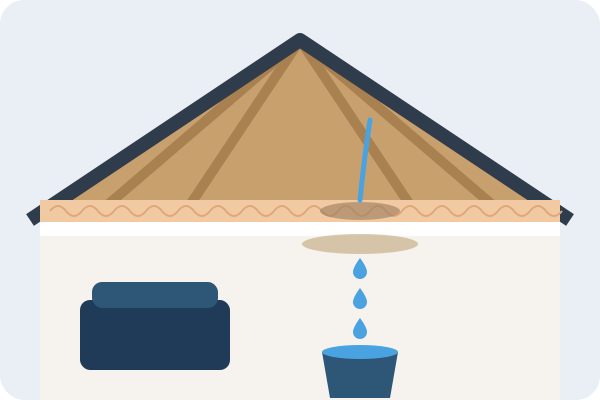
Roof leak repair means locating where water enters the roof system and correcting the failure there, usually at flashing, a pipe boot, a valley, a chimney or a damaged shingle, and then repairing any wet decking. Because water travels along rafters and the top of the ceiling before it shows, the visible stain can be several feet from the actual entry point.
Leaks are one of the most common reasons people call for local roof repair. Many are small fixes once found; the cost comes from leaving them, as water soaks insulation, stains drywall and softens decking. This page explains where leaks start, what to do now, and what to expect from the repair.
Where Leaks Start and How They’re Traced
Most leaks come from a handful of places:
Plumbing vent boots
The rubber collar around vent pipes dries and cracks in Kansas sun. It’s one of the most common leak sources and a quick repair.
Chimney and wall flashing
Step and counter flashing loosen or rust, and sealant at the joint fails. Older chimneys, common on mid-century Salina homes, are frequent culprits.
Valleys
Valleys carry the most water. Worn shingles, debris build-up or a nail too close to the center line let water through.
Skylights and roof vents
Failed seals, cracked plastic domes or hail-dented metal vents can leak.
Damaged shingles
Missing, cracked or hail-bruised shingles let water reach the underlayment, which eventually lets it through.
Roofers trace leaks from the attic, following water stains upslope along rafters to the first wet spot on the deck, then match that to what’s above. Sometimes a controlled water test, wetting one area at a time, pins it down.
8 Signs of a Roof Leak
- Brown rings on ceilings that grow after rain.
- Dripping from light fixtures or ceiling vents.
- Peeling paint or bubbling drywall near exterior walls.
- Wet or matted insulation in the attic.
- Dark stains or mold on rafters and decking.
- Daylight visible around pipes or through boards in the attic.
- Musty smell in upstairs rooms or closets.
- Water in exterior wall cavities near chimneys or dormers.
Why Leaks Are So Common on Salina Roofs
Age is the big one. With so many Salina homes built before 1970, flashing details and vent boots on older roofs have been through decades of heat and cold, and previous repairs often relied on caulk that has long since dried out. Hail adds hidden damage: bruised shingles and dented vents may hold for a season before letting water in.
Seasonal swings play a part. Hot summers break down rubber and sealants, while winter freeze–thaw cycles widen tiny gaps, and snow or ice lingering along eaves can push water under shingles. Poor attic ventilation can also produce condensation that looks like a leak but comes from inside the house. A roof inspection sorts out which one you’re dealing with.
What to Do Right Now
- Put a bucket under the drip and protect floors and furniture.
- If water is pooling in a bulging ceiling, keep people out from under it.
- Turn off power to any wet light fixture at the breaker.
- From the attic, if safe, place a container under the drip and move wet insulation off the ceiling.
- Photograph the stain, the attic and the roof from the ground.
- Note when it leaks: only in heavy rain, only with wind from one direction, or after snow.
Telling the roofer exactly when the leak appears, and from which direction storms were blowing, can save a lot of searching.
How a Leak Repair Visit Works
- Interior look at the stain and its location.
- Attic trace following water marks upslope to the entry point.
- Roof inspection of the matching area: flashing, boots, valley, shingles.
- Repair of the failed component, such as a new boot, re-flashed chimney or replaced shingles.
- Deck check and replacement of any soft boards.
- Follow-up advice on interior drying and whether insulation or drywall needs replacing.
What Affects the Cost of Leak Repair
| Factor | Why it matters |
|---|---|
| Leak source | A vent boot is quick; chimney re-flashing is more involved. |
| Access | Steep pitches, second stories and tight valleys take longer. |
| Deck damage | Rotted boards must be replaced before shingling. |
| Shingle condition | Brittle shingles around the leak may need wider replacement. |
| Interior damage | Drywall and insulation repairs are separate from the roof fix. |
Cleaning Up Inside After a Roof Leak
Fixing the roof stops new water; the inside still needs attention. Wet insulation should be pulled back or removed so the ceiling can dry, and soaked drywall that sags or crumbles needs to be replaced. Stains on otherwise sound drywall can often be sealed with a stain-blocking primer once everything is dry. Run fans and a dehumidifier in the affected room for several days.
If water spread through walls, reached floors, or you notice a musty smell days later, a water damage restoration company can measure moisture and dry the structure properly. Photograph interior damage before cleanup; if the leak came from a covered storm event, interior repairs may be part of the same insurance claim.
How to Prevent the Next Leak
- Have vent boots and chimney flashing checked every few years; rubber boots dry out in the sun.
- Keep gutters and valleys clear so water doesn’t back up under shingles.
- Trim branches that drop debris into valleys or rub shingles.
- Make sure bathroom and kitchen fans vent outdoors, not into the attic.
- Get a quick inspection after hail of an inch or larger, even if nothing leaks.
Common Mistakes to Avoid
- Caulking over the stain area without finding the real entry point.
- Leaving soaked insulation on the ceiling, where it holds water against drywall.
- Assuming every attic drip is a leak when it may be condensation.
- Painting a ceiling stain before the source is fixed and the drywall is dry.
- Waiting through several storms while decking quietly rots.
Questions to Ask About a Leak Repair
A good leak repair comes with an explanation you can understand. If the roofer can show you the failed boot, flashing or shingle in a photo, you know the real problem was found.
- Where exactly do you think the water is entering, and can you show me photos?
- Will you replace the failed part or seal over it?
- Is there damaged decking, and how is that priced?
When a Leak Is an Emergency
Call right away if water is pouring in, a ceiling is sagging, water is near electrical fixtures, or the leak follows storm damage where shingles are missing. The roofer can tarp the area until a permanent fix. For storm-caused openings, see storm damage roof repair.
FAQ
Roof Leak FAQs
Why does my roof only leak in some storms?
Wind direction matters. Rain driven sideways can get under flashing or shingles that stay dry in a straight-down rain. Note the wind direction when it leaks and tell the roofer.
Is it a roof leak or condensation?
Condensation tends to show up in cold weather as frost or droplets across the underside of the deck, not at one spot. A roofer can check attic ventilation and humidity to tell the difference.
Can I just caulk the leak?
Caulk is a temporary patch at best and often hides the real problem. Lasting repairs replace the failed boot, flashing or shingles.
Does insurance cover roof leaks?
Leaks caused by a sudden event like a storm are often covered; leaks from wear or poor maintenance usually aren’t. Interior water damage from a covered event may be included.
How long does a leak repair take?
Many leak repairs take a few hours once the source is found. Chimney re-flashing or deck replacement can take longer.
Will wet insulation dry out?
Lightly damp insulation may dry, but soaked or matted insulation usually needs replacing to restore its value and avoid mold.
Talk to a local roofer
Roof leaking? Find the source.
Call to be connected with an independent roofer who can trace and repair leaks in Salina.
(785) 555-0142